Minimalism in 2026 isn’t just about having fewer things; it’s about choosing what truly adds value to everyday life. Homes are becoming simpler, wardrobes are getting smarter, and digital habits are shifting toward intentional use. People want clean spaces, calm routines, and thoughtful design that supports wellbeing. The focus isn’t on owning less for the sake of it, but living more comfortably with meaningful choices.
This trend matters because many households are feeling overwhelmed by constant consumption, clutter, and the pressure to follow every style trend. Buying more doesn’t always create a better life, yet letting go of the unnecessary often brings more comfort and clarity. Minimalism today is practical, not extreme. It encourages better spending habits, promotes sustainability, and still embraces beauty and personality. Instead of empty white rooms, the modern minimalist lifestyle combines function with style, creating homes that feel calm, purposeful, and inspiring. Below are key minimalist trends that define 2026 and how they blend comfort with aesthetics.
Warm Minimalism for Everyday Living
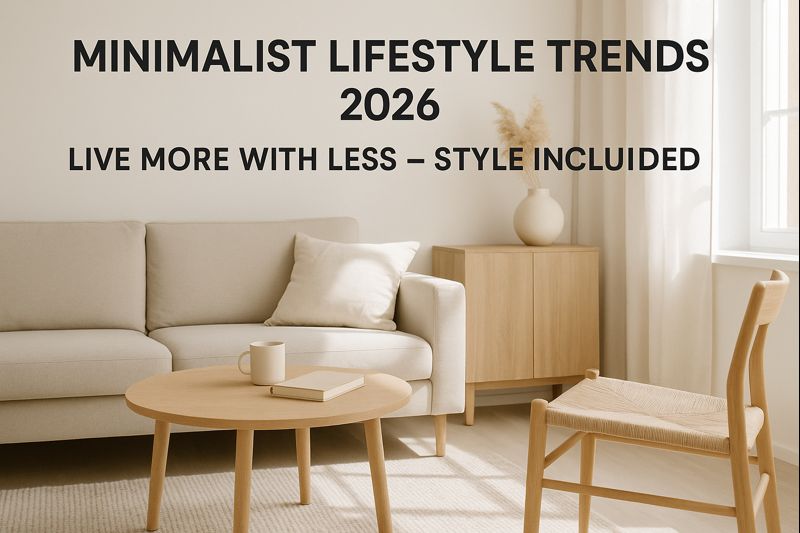
Unlike older minimalist styles that felt too cold, 2026 minimalism embraces warmth and texture. Popular elements include:
- Soft earthy tones like clay, cream, and olive
- Wooden accents instead of glossy finishes
- Natural fibers such as linen, wool, and cotton
This style focuses on making homes feel peaceful rather than sterile.
Thoughtful Buying and Quality over Quantity
Minimalist consumers are choosing durability instead of impulse purchases. People now prefer:
- Long-lasting furniture instead of trendy pieces
- Neutral clothing basics that mix easily
- Repairable products over disposable ones
The idea is to spend wisely on items that truly serve a purpose and last longer.
Multi-Functional Spaces at Home
As more tasks happen at home, spaces need to adapt. Minimalist design encourages efficiency with:
- Foldable desks for remote work
- Benches with built-in storage
- Dining tables that double as study areas
These ideas help homes feel open and organized even in smaller spaces.
Eco-Friendly and Ethical Materials
Sustainability has become a core part of minimalist living. People are leaning toward:
- Organic fabrics for bedding and clothing
- Recycled wood furniture
- Low-waste packaging and refill products
Minimalism now supports both personal simplicity and environmental responsibility.
Decluttering Digital Life, Not Just Homes
In 2026, minimalism isn’t just physical — it’s digital too. Many are reducing screen time and simplifying devices by:
- Turning off non-essential app notifications
- Keeping fewer, more useful apps
- Using shared cloud storage instead of multiple devices
These changes help reduce stress and make technology work more efficiently.
Personalized Minimalism, Not One-Size-Fits-All
Minimalism is no longer about strict rule-following. Instead, it adapts to individual needs:
- A minimalist home can still have color
- A minimalist wardrobe can include bold pieces you truly love
- Collecting meaningful items is encouraged if they bring joy or use
The new mindset is to keep what matters and remove what doesn’t.
Final Note
Minimalist lifestyle trends in 2026 show that simplicity doesn’t mean sacrifice. It’s about building comfort, clarity, and personal style in a way that supports real living. With quality choices, smart spaces, and mindful habits, you can live more by owning less. If you found this article informative, feel free to check out our other articles as well.