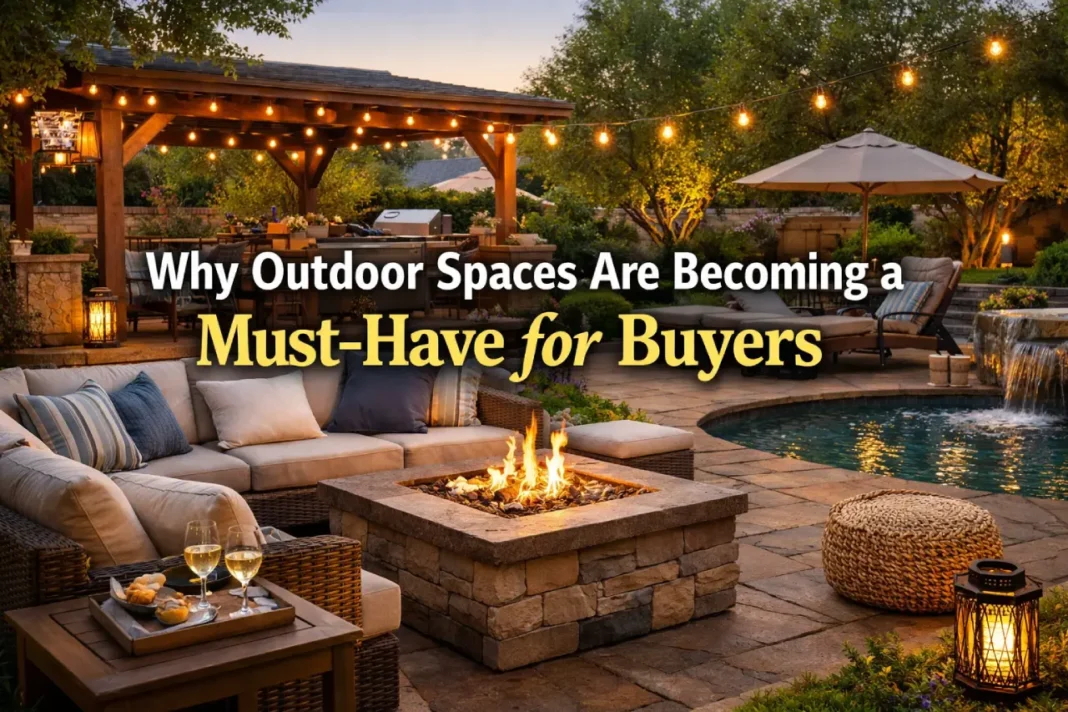
Outdoor spaces have moved from being a “nice bonus” to a serious deciding factor for homebuyers. Balconies, terraces, patios, gardens, and even shared courtyards are now high on priority lists. Buyers are actively looking for homes where they can step outside without leaving the property, whether it’s for fresh air, relaxation, or everyday activities. This shift is reshaping how people judge homes across cities and suburbs alike.
Buyer behavior has clearly changed in the last few years. Homes are no longer evaluated only by interiors, location, or price. People now think about how a space supports daily life, mental well-being, and flexibility. Outdoor areas answer many of these needs at once. They offer breathing room in compact homes, support healthier routines, and add long-term value to a property. For buyers, outdoor space feels less like an extra feature and more like a basic requirement that improves quality of life.
Outdoor Spaces Support Better Daily Living
One of the main reasons outdoor areas are in demand is their impact on everyday routines. Buyers value spaces where they can:
- Start the day with fresh air
- Take short breaks without leaving home
- Sit, read, or unwind after work
Even a small balcony can make a home feel less boxed in and more comfortable to live in.
Work-From-Home Has Changed Priorities
With remote and hybrid work becoming common, buyers want homes that don’t feel restrictive. Outdoor spaces help by:
- Offering a change of scenery during work breaks
- Acting as informal work zones for calls or laptop time
- Reducing screen fatigue and indoor burnout
Homes with usable outdoor areas feel more adaptable to modern work routines.
Health and Well-Being Are Driving Demand
Buyers are more conscious of physical and mental health than before. Outdoor spaces support:
- Sunlight exposure
- Better airflow
- Light movement and stretching
- Stress reduction
This makes homes with balconies, gardens, or terraces feel healthier and more livable over time.
Small Outdoor Areas Still Add Big Value
Not every buyer expects a large garden. Even compact outdoor spaces are seen as valuable. Popular options include:
- Juliet balconies
- Narrow sit-out balconies
- Shared rooftop terraces
- Community green zones
What matters is access to open space, not just its size.
Outdoor Spaces Increase Lifestyle Flexibility
Buyers like homes that adapt to different stages of life. Outdoor areas can be used for:
- Morning exercise or yoga
- Children’s play time
- Pet-friendly zones
- Entertaining guests
- Container gardening
This flexibility makes the home suitable for a wider range of lifestyles.
Strong Impact on Property Value and Resale
From an investment point of view, outdoor spaces are proving their worth. Homes with outdoor access often:
- Attract more buyer interest
- Sell faster
- Command better resale value
- Stand out in crowded listings
Buyers see outdoor space as future-proof, not a short-term trend.
Urban Buyers Want a Nature Connection
In dense cities, buyers crave some connection with nature. Outdoor spaces allow:
- Small plants and vertical gardens
- Morning light and sky views
- A break from constant indoor living
This emotional connection plays a big role in purchase decisions, especially in apartments.
Developers and Sellers Are Responding
Because buyer demand is clear, developers and sellers are adapting by:
- Designing larger, more usable balconies
- Promoting terrace and garden access in listings
- Improving shared outdoor amenities
Homes without outdoor access are starting to feel less competitive in comparison.
Final Note
Outdoor spaces are no longer optional for many buyers. They represent comfort, flexibility, health, and long-term value. Whether it’s a small balcony or a shared green area, access to open space has become a key factor in how buyers choose homes today. If you found this article informative, feel free to check out our other articles as well.