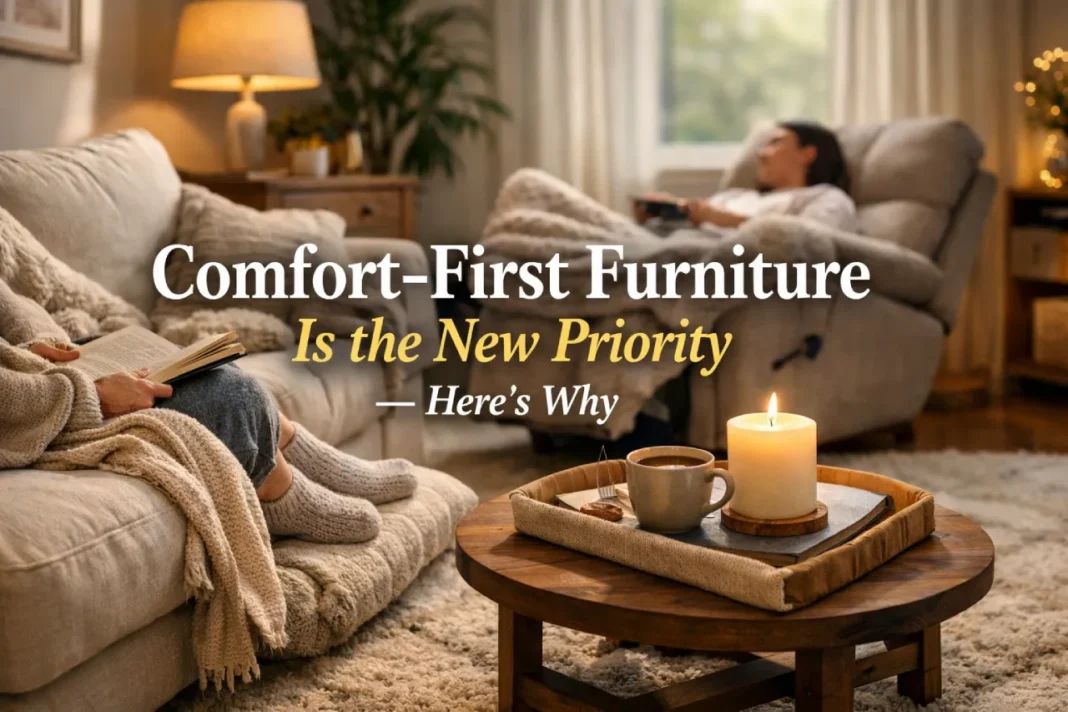
Comfort-first furniture has moved to the top of buyer wish lists, and it’s not hard to see why. Homes today are doing more than ever before. Living rooms double as workspaces, bedrooms are places to unwind and recharge, and dining areas often host everything from family meals to late-night laptop sessions. In this reality, furniture that looks good but feels uncomfortable simply doesn’t make sense anymore. People now want pieces that support long hours of use while still fitting into modern interiors.
Furniture is no longer bought just for appearances or trends. Buyers are thinking about how a chair feels after eight hours of sitting, how a sofa supports the body during rest, and whether a bed truly improves sleep quality. Comfort has become a long-term investment rather than a luxury. This change is also influenced by health awareness, work-from-home routines, and a desire for slower, more intentional living. Understanding why comfort-first furniture matters helps people make smarter buying decisions that they won’t regret later.
How Daily Lifestyles Are Driving the Comfort Shift
Modern lifestyles are more home-centered than before. People are spending longer hours indoors, which makes physical comfort essential. Furniture now needs to:
- Support long sitting hours
- Reduce strain on the back and neck
- Adapt to different daily activities
Comfort-first furniture responds to real usage, not showroom displays.
Work-From-Home Changed Furniture Expectations
One of the biggest reasons for this shift is remote and hybrid work. Dining chairs and basic sofas are no longer enough. People are prioritizing:
- Ergonomic chairs with proper support
- Sofas with deeper seats for relaxed working
- Adjustable furniture for flexible schedules
Furniture is expected to perform well throughout the day, not just look presentable.
Health and Wellness Awareness Is Influencing Choices
Buyers are becoming more aware of how furniture affects posture, sleep, and overall health. Comfort-first furniture focuses on:
- Proper lumbar and neck support
- Cushions that balance softness and firmness
- Materials that allow airflow and reduce heat buildup
This awareness has turned comfort into a necessity rather than an optional feature.
Sofas Are Being Chosen for Sitting, Not Styling
Sofas are no longer selected only based on design. People are testing how they feel before buying. Popular features now include:
- Deeper seating depth
- High-quality foam or layered cushioning
- Supportive backrests and armrests
A sofa that looks great but feels stiff is quickly losing appeal.
Beds and Mattresses Are Getting Serious Attention
Comfort-first thinking is most visible in bedroom furniture. Buyers are prioritizing:
- Supportive mattresses suited to sleep positions
- Sturdy bed frames that reduce movement
- Headboards designed for reading and relaxing
Sleep quality has become a major factor in furniture decisions.
Fabric and Material Choices Are Becoming Softer
Comfort-first furniture also focuses on touch and feel. Trending materials include:
- Soft, breathable fabrics
- Upholstery that feels warm and inviting
- Finishes that don’t feel cold or rigid
People want furniture that feels comfortable the moment they sit down.
Multi-Functional Comfort Is Gaining Popularity
Furniture that combines comfort with flexibility is highly valued. Examples include:
- Recliner sofas with simple designs
- Ottomans that support feet and offer storage
- Lounge chairs that work for reading and work breaks
Comfort doesn’t mean bulky or outdated anymore.
Long-Term Value Matters More Than Trends
Buyers are moving away from trend-driven purchases. Comfort-first furniture offers:
- Better durability
- Higher satisfaction over time
- Fewer replacement costs
People prefer fewer pieces that truly work rather than frequent upgrades.
Final Note
Comfort-first furniture has become the new priority because homes now support more of daily life than ever before. When furniture feels good, it improves focus, rest, and overall well-being. Choosing comfort is no longer about compromise; it’s about smarter living. If you found this article informative, feel free to check out our other articles as well.