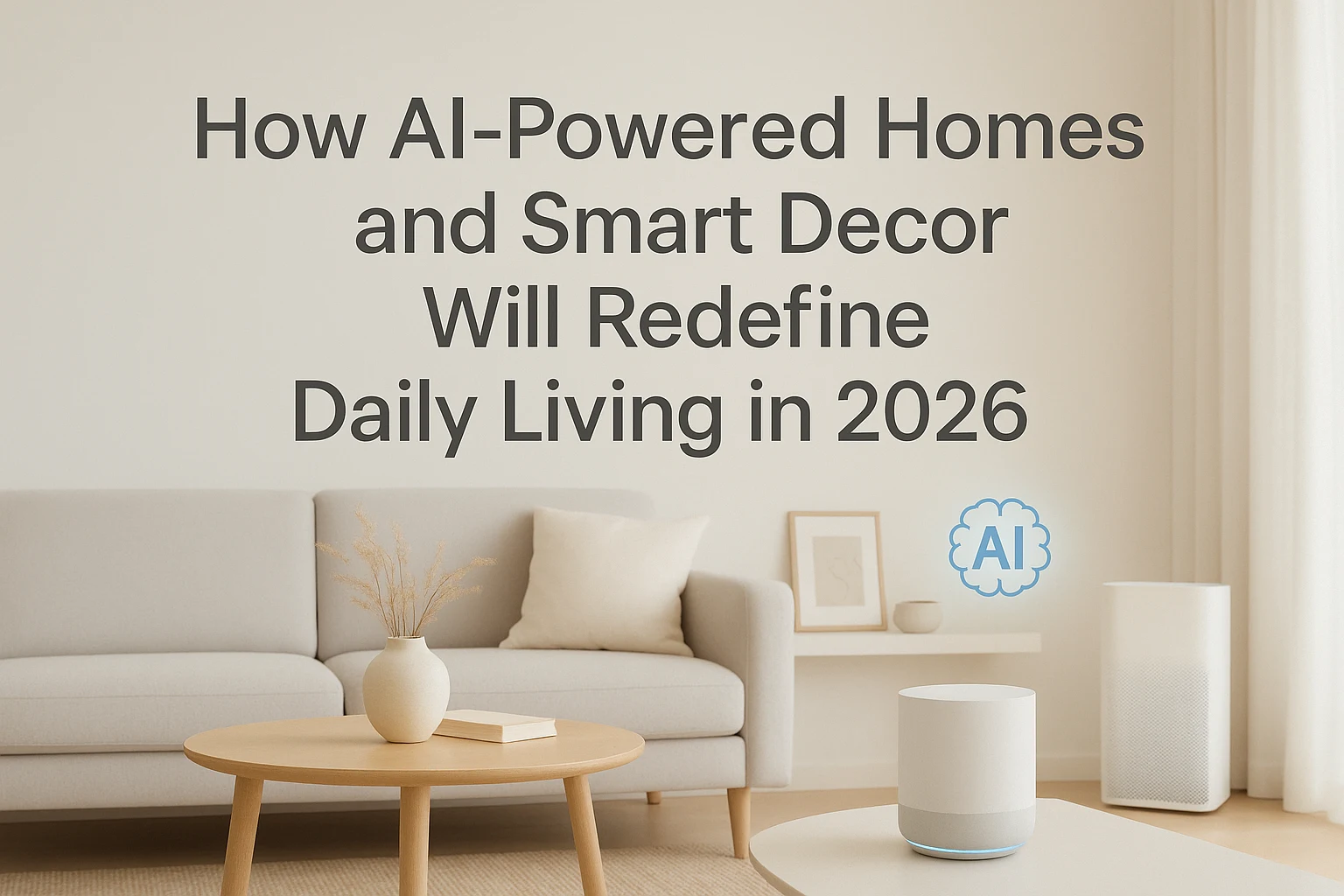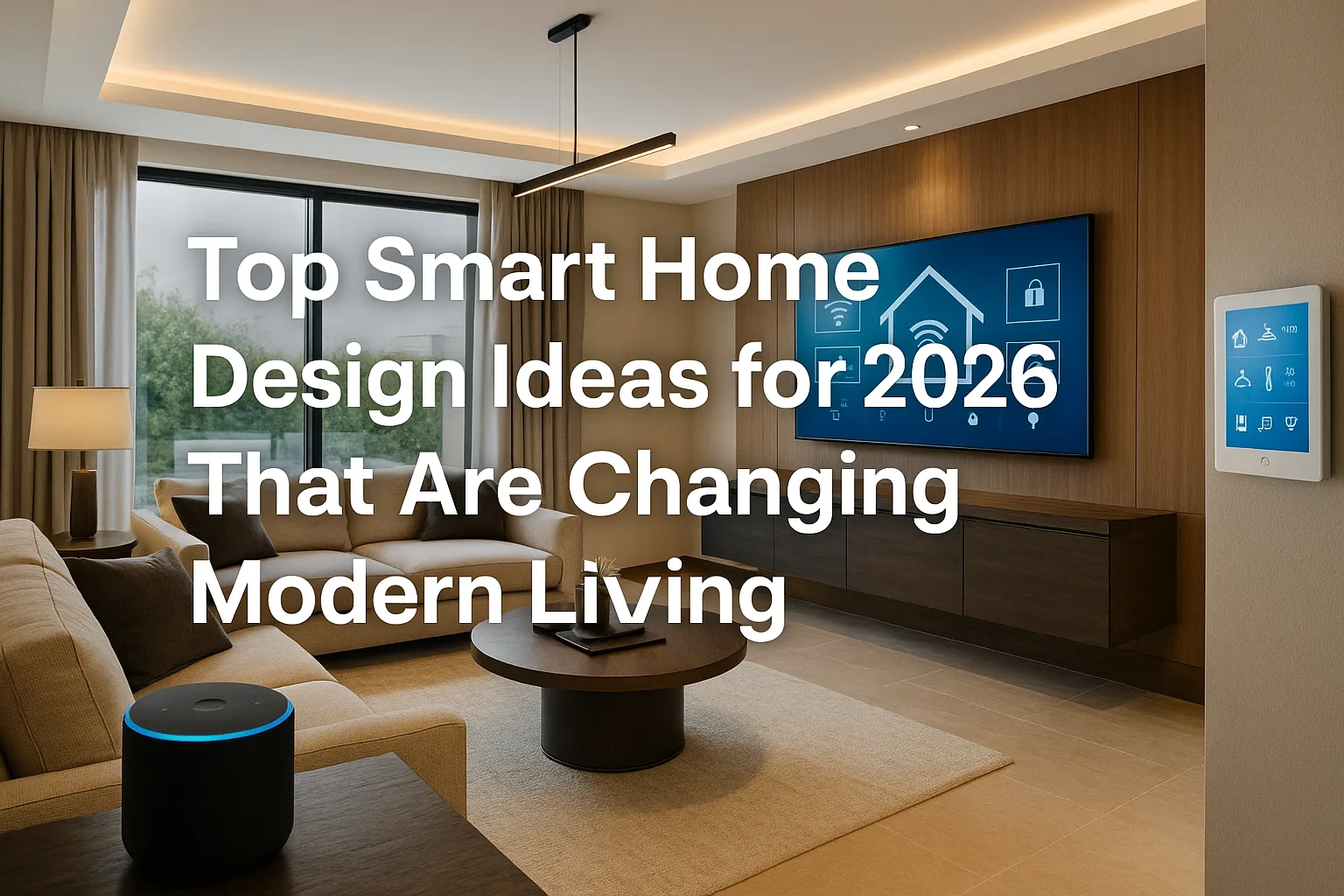
Smart home design is becoming a natural part of modern living, and 2026 is expected to bring a fresh wave of features that blend convenience, style, and everyday comfort. More homeowners now want homes that think for them, save time, and still look beautiful. With new trends coming up, it’s interesting to see how technology is shaping the look and feel of our living spaces.
Smart home design is not just about installing gadgets; it’s about creating a living space that feels natural, secure, and easy to manage. Knowing the latest trends helps you stay updated before investing in home upgrades. Whether you’re someone who loves stylish interiors or someone who wants a smoother daily routine, these trends for 2026 give a good idea of what the future of home design looks like.
1. Seamless and Invisible Technology
One of the biggest trends for 2026 is the shift toward invisible tech. Instead of devices that stand out, homeowners now prefer systems that blend into the décor.
Examples include:
- Smart speakers built into ceilings or walls
- Hidden charging surfaces under tables
- TV screens that turn into artwork when not in use
This approach makes a home look clean and stylish while still offering advanced functionality. People want smart homes that don’t look overly tech-heavy.
2. Mood-Based Lighting and Automation
Lighting will play a huge role in defining home experiences in 2026. Smart lights can now adjust according to the time of day, activity, or even your energy level.
For example:
- Soft lights in the morning to reduce eye strain
- Focused white light for work-from-home
- Warm lighting during evenings for relaxation
Many families are choosing lighting systems that use motion sensors, saving both time and electricity.
3. Eco-Friendly Smart Features
Sustainability will be at the center of design choices in 2026. Smart homes will use energy-saving tools and materials to reduce waste and control power usage.
Popular eco-friendly features include:
- Smart thermostats that adjust temperature automatically
- Solar-powered smart roofs
- Water-saving smart taps that monitor usage
- Recycled or low-impact materials for interiors
This trend is growing because people want homes that not only look good but also reduce monthly expenses and support the environment.
4. Voice-Controlled Living Spaces
Voice automation is already common, but in 2026 it will become more natural and accurate. You can control almost every part of your home just by speaking.
Some examples where voice control works well are:
- Setting room temperature
- Opening or closing curtains
- Starting kitchen appliances
- Running safety checks while you’re away
With improved accuracy, voice-controlled living creates a hands-free and comfortable home environment.
5. Smart Kitchens with Real-Time Assistance
Kitchens will become one of the most advanced spaces in 2026. People now prefer appliances that help them cook faster and smarter.
Some upcoming features include:
- Smart refrigerators that plan meals based on available ingredients
- Stoves that adjust heat automatically
- Water purifiers that track filter life
- App-based control for all major appliances
Busy families, especially working professionals, will find these upgrades useful for saving time.
6. Security with Predictive Technology
Home security is moving from simple alarms to predictive systems. Instead of reacting to issues, smart homes will detect unusual behavior before it becomes a problem.
These systems include:
- Smart cameras with pattern recognition
- Door sensors that detect forced entry
- Window locks that alert you if left open
- Emergency notifications sent directly to your phone
This gives peace of mind, especially for families who travel often or live alone.
7. Personalized Wellness Spaces
Many homeowners are now creating wellness corners or full rooms focused on health and relaxation. These spaces may include:
- Smart air purifiers
- Meditation pods
- Temperature-controlled yoga rooms
- Sleep-support lighting systems
Wellness-focused rooms are becoming more common as people look for ways to balance work and personal well-being.
8. Multi-Functional Rooms with Smart Furniture
As homes get smaller, multi-purpose rooms will be a major trend in 2026. Smart furniture helps a lot here.
Examples include:
- Beds that fold into walls
- Tables with built-in screens
- Sofas with wireless charging
- Storage units that expand or shrink automatically
These designs help maximize space without compromising comfort.
Conclusion
Smart home design in 2026 is all about comfort, convenience, and clean interiors. The focus is shifting toward invisible tech, energy savings, voice control, smart kitchens, and multi-functional spaces. These trends show how technology and style can work together to create homes that feel warm, modern, and practical at the same time.
If you found this article informative, feel free to check out our other articles as well.