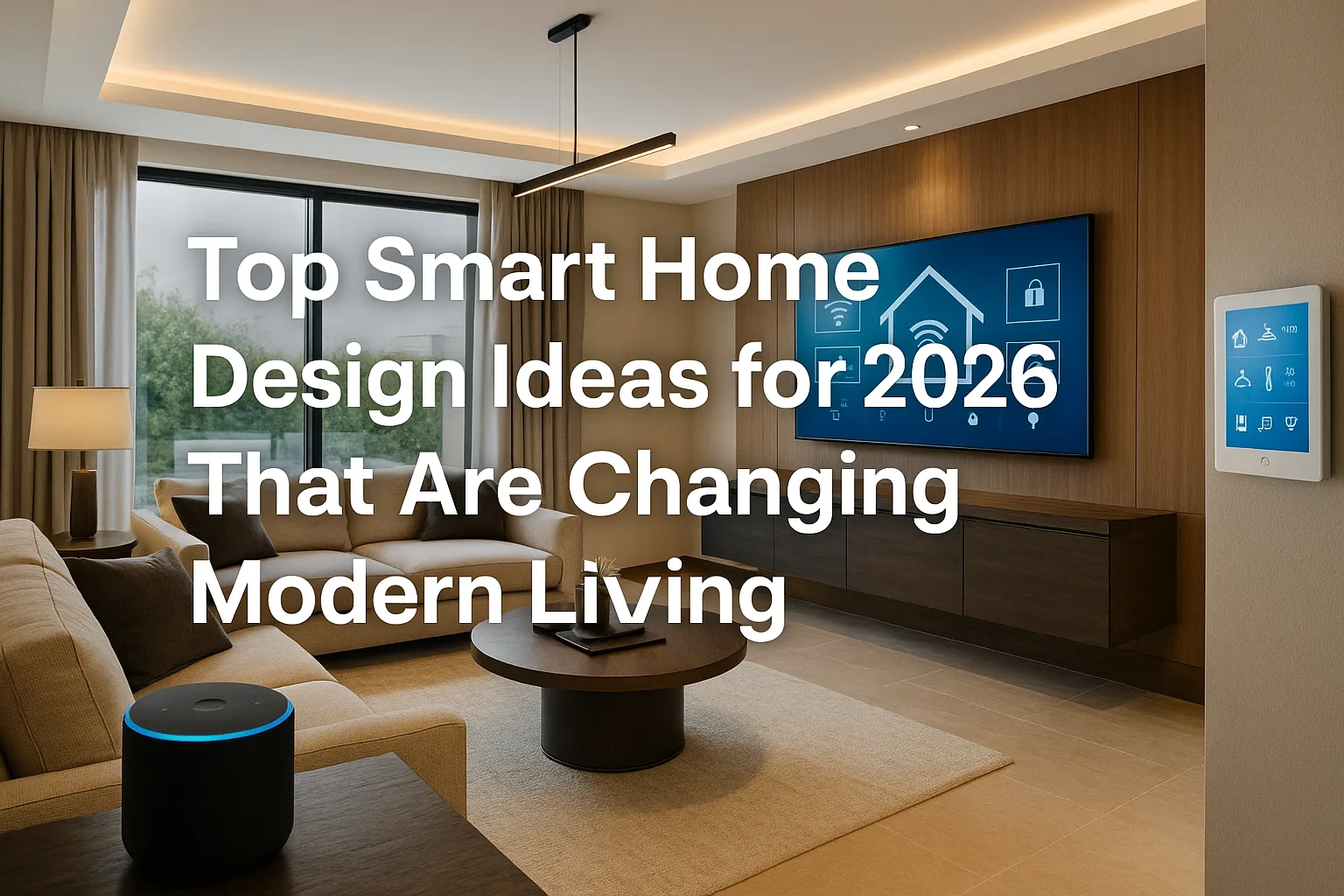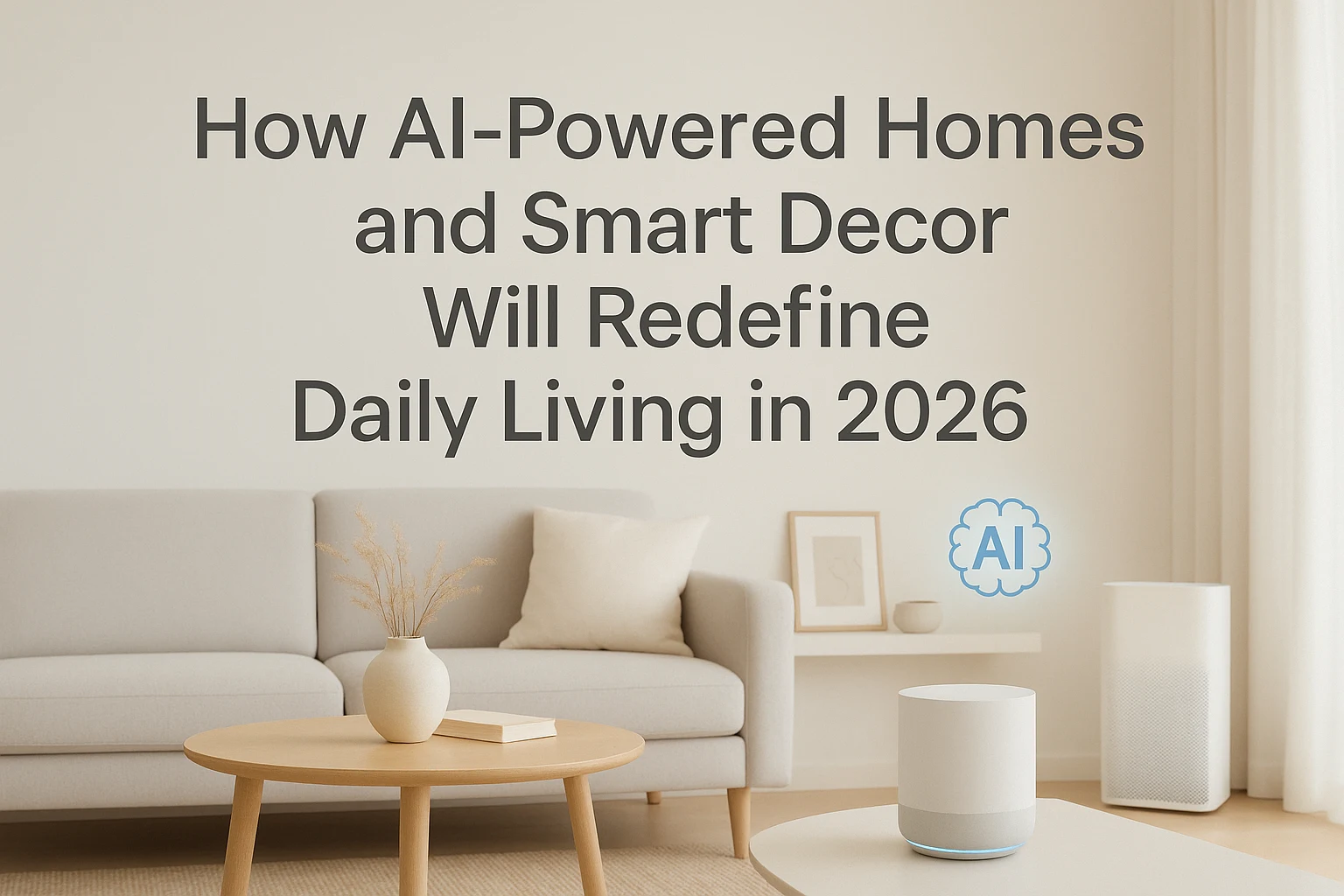
AI-powered homes are no longer a concept from science fiction. By 2026, smart decor and intelligent systems are expected to become a regular part of everyday living, changing how we relax, work, cook, and even sleep. From furniture that responds to your habits to lighting that adjusts to your mood, homes are becoming more intuitive and personal than ever before.
I decided to write about this topic because many homeowners and renters are curious about where home design is heading next. People are investing more in smart upgrades, and it’s important to understand what is actually useful versus what is just a trend. AI-powered decor is not only about luxury anymore; it’s about comfort, safety, energy savings, and better daily routines. When you know what changes are coming in 2026, it becomes easier to plan future renovations, choose smarter furniture, and make better buying decisions for your home.
What AI-Powered Homes Really Mean
An AI-powered home is not just a house with smart devices. It is a space where different systems learn from your behavior and adjust automatically. For example, your lights may turn on when you enter a room, your AC may lower the temperature before you get home, and your music system may play based on the time of day.
Unlike traditional automation, AI systems improve over time. The more you use them, the better they understand your preferences. By 2026, this learning ability will be faster and more accurate.
Smart Decor That Adapts to You
Decor is becoming more than just visual beauty. In 2026, smart decor will focus on function, comfort, and personalization.
Some common examples include:
- Mirrors that display weather, reminders, and health data
- Smart curtains that open based on sunlight and room temperature
- AI-powered wall panels that change color and texture for different moods
- Digital artwork that updates automatically based on your interests
These features allow your home to feel more alive and responsive, instead of static.
Lighting That Matches Your Daily Routine
Lighting is one of the areas where AI is making the biggest impact. By 2026, most smart homes will use lighting that adjusts based on activity, time, and natural daylight.
For instance, brighter white light in the morning can help you feel alert, while softer warm light at night supports better sleep. Over time, these systems learn what type of lighting you prefer at different hours and adjust without you needing to touch a switch.
This not only improves comfort but also reduces electricity waste.
AI in Furniture and Space Planning
Furniture is also becoming smarter. In compact homes especially, AI-powered furniture helps maximize space without making rooms feel crowded.
You can expect to see:
- Beds that fold automatically when not in use
- Tables that adjust height for work or dining
- Sofas with built-in charging and voice control
- Storage units that reorganize themselves based on use
AI will also help with space planning by suggesting better layouts based on how you move around your home.
Smarter Kitchens for Faster Living
The kitchen is turning into a tech-guided workspace. By 2026, many kitchens will include AI features that assist with cooking, storage, and safety.
Some growing features include:
- Refrigerators that track food and suggest recipes
- Ovens that adjust temperature automatically
- Water systems that monitor purity levels
- Alerts for gas leaks or overheating
For busy households, these tools save time and reduce the chances of everyday kitchen accidents.
AI-Based Security and Privacy Control
Security is one of the strongest reasons people adopt smart home technology. AI-powered security systems can recognize faces, track unusual movement patterns, and alert homeowners before a serious issue occurs.
These systems can:
- Distinguish between family members and strangers
- Detect forced entry more accurately
- Send real-time alerts to your phone
- Lock doors automatically if left open
By 2026, security systems will focus more on prevention than just response.
Health and Wellness at Home
AI-powered homes are also supporting better health. Smart decor for wellness is becoming more common, especially after people started spending more time at home.
This includes:
- Air purifiers that adjust based on pollution levels
- Sleep lights that support natural sleep cycles
- Temperature control based on body comfort
- Meditation and sound therapy zones
These changes make home not just a living space, but a place for recovery and balance.
Conclusion
The rise of AI-powered homes in 2026 is shaping a future where comfort, style, and intelligence work together. Smart decor is no longer just about appearance. It is about how a space understands you and adjusts to your needs. From lighting and furniture to kitchens and security, every part of the home is becoming more responsive and personal. As these technologies become more affordable, more households will experience this shift in everyday living.
If you found this article informative, feel free to check out our other articles as well.