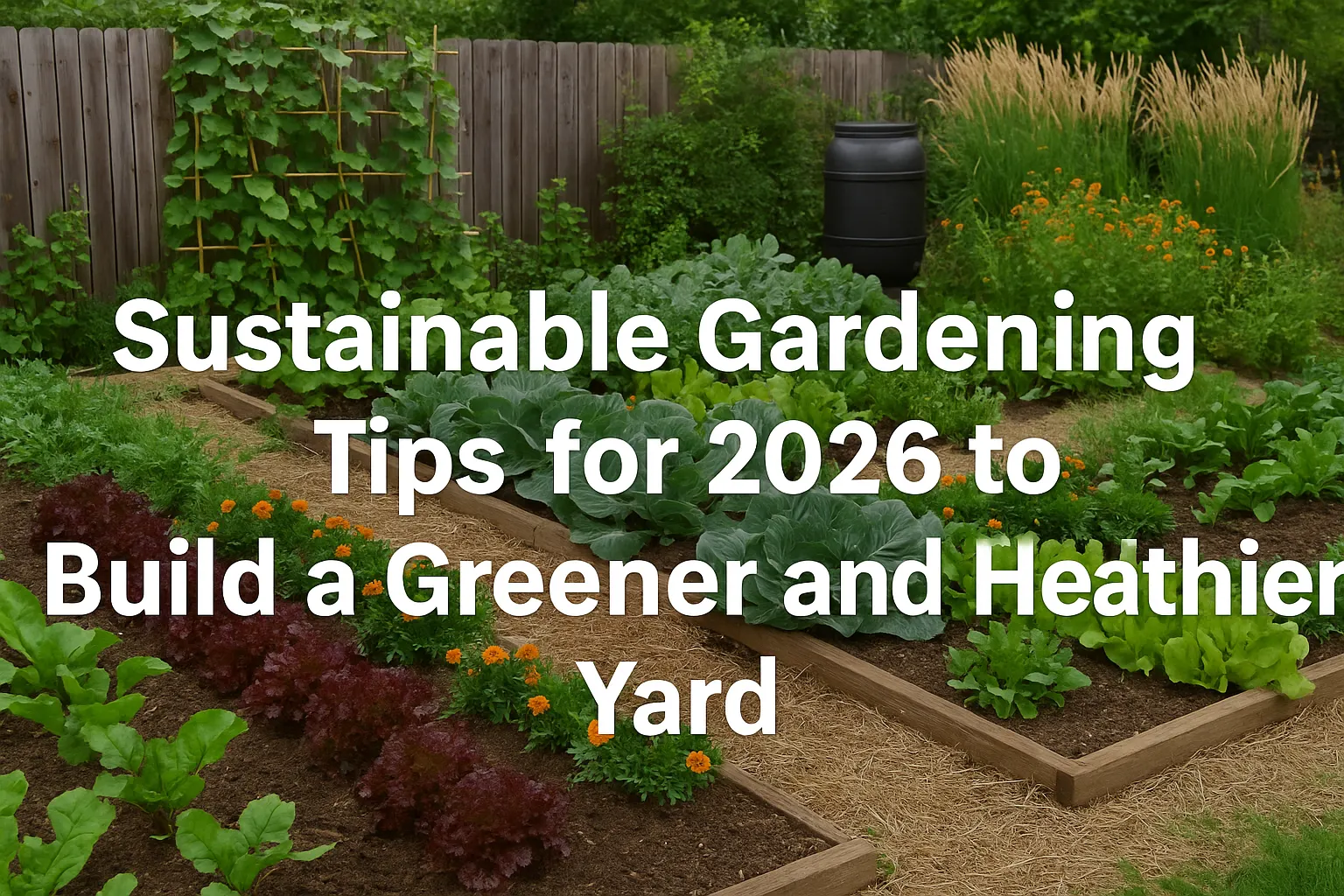
Sustainable gardening is becoming a popular choice for homeowners who want a greener yard without harming the environment. In 2026, eco-friendly gardening practices are expected to grow even more as people become conscious about water use, chemical-free soil, and long-term plant health. From composting and rainwater harvesting to native plant selection, sustainable gardening is all about working with nature instead of against it.
With climate changes becoming more noticeable every year, it’s important that we adopt practices that are kinder to the soil and surrounding environment. Sustainable gardening not only helps protect nature but also saves money over time and produces healthier plants, vegetables, and lawns. Whether you have a small backyard or a large garden, these eco-friendly ideas for 2026 can help you build a space that is both beautiful and responsible.
Choose Native and Climate-Friendly Plants
One of the easiest ways to practice sustainable gardening is by choosing plants that naturally grow well in your local climate. Native plants require less water, fewer fertilizers, and almost no chemical pest control.
Benefits of native plants include:
- Lower maintenance
- Better resistance to local pests
- Reduced water usage
- Support for local birds and pollinators
By 2026, more gardeners are expected to shift toward region-specific plant varieties for long-term sustainability.
Smart Water Management for Gardens
Water conservation is at the heart of eco-friendly gardening. In 2026, gardeners will rely more on smarter ways to manage water without wasting it.
Some popular water-saving methods include:
- Drip irrigation instead of traditional sprinklers
- Rainwater harvesting systems
- Watering during early morning or late evening
- Using mulch to reduce evaporation
These techniques help keep plants healthy while cutting down on water bills.
Organic Soil Care and Composting
Healthy soil is the backbone of sustainable gardening. Instead of using chemical fertilizers, gardeners in 2026 are expected to focus more on organic compost and natural soil enhancers.
You can create compost using:
- Kitchen vegetable waste
- Dry leaves and garden waste
- Coffee grounds and eggshells
Composting improves soil quality, reduces household waste, and encourages beneficial microorganisms to grow naturally.
Natural Pest Control Methods
Chemical pesticides can damage not only pests but also helpful insects and soil health. Sustainable gardening promotes natural pest control methods that are safe for the environment.
Some effective natural methods include:
- Neem oil sprays
- Companion planting
- Introducing beneficial insects like ladybugs
- Using homemade garlic or chili sprays
These methods control pests without harming the ecosystem of your garden.
Eco-Friendly Lawn Alternatives
Traditional lawns consume a lot of water and require constant maintenance. In 2026, many homeowners are expected to switch to alternative green covers that are easier on resources.
Popular lawn alternatives include:
- Ground-cover plants like clover
- Gravel and stone landscaping
- Native grass varieties
- Mixed herb lawns
These options reduce water use and maintenance while still keeping the yard attractive.
Recycling and Reusing in the Garden
Sustainable gardening also involves reducing waste. Many everyday items can be reused creatively in the garden instead of being thrown away.
For example:
- Old buckets can be used as planters
- Broken tiles can become decorative walkways
- Wooden crates can be turned into raised beds
- Plastic bottles can be used for drip irrigation
This approach reduces waste and saves money at the same time.
Encouraging Wildlife and Pollinators
A sustainable garden does not only benefit humans. It also supports birds, bees, and butterflies that play a key role in the environment.
You can attract pollinators by:
- Growing flowering plants
- Installing bird feeders or bird baths
- Avoiding chemical sprays
- Creating small shelters with natural materials
A garden full of pollinators is a sign of a healthy ecosystem.
Conclusion
Sustainable gardening in 2026 is all about creating a balance between beauty and responsibility. By choosing native plants, managing water wisely, improving soil naturally, and reducing chemical use, homeowners can build greener and healthier yards that thrive year after year. These eco-friendly practices not only protect the environment but also make gardening more rewarding and cost-effective. With small, consistent efforts, anyone can turn their backyard into a sustainable green space.
If you found this article informative, feel free to check out our other articles as well.