Home design in 2026 is taking a more practical and stress-free direction. Instead of focusing only on decorations, many homeowners now want comfort, better storage, multi-use rooms, and simple design styles that fit modern living. Homes are becoming more flexible, with smart features, natural elements, and zones made for work, exercise, and relaxation. These trends reflect how people today use their homes for more than just living.
Now families continue to work remotely, apartment sizes are shrinking in big cities, and people are looking for ideas that make the best use of limited space. The rising cost of home renovation also means every design decision should be practical and long-lasting. Instead of buying many decorative pieces, homeowners are now choosing functional items that make life easier. These new design trends are not just about style; they are about building homes that support daily routines, save energy, and reduce clutter. Understanding the 2026 home trends can help people plan renovation projects wisely and avoid spending money on ideas that will soon become outdated.
1. Nature-Inspired Materials and Décor
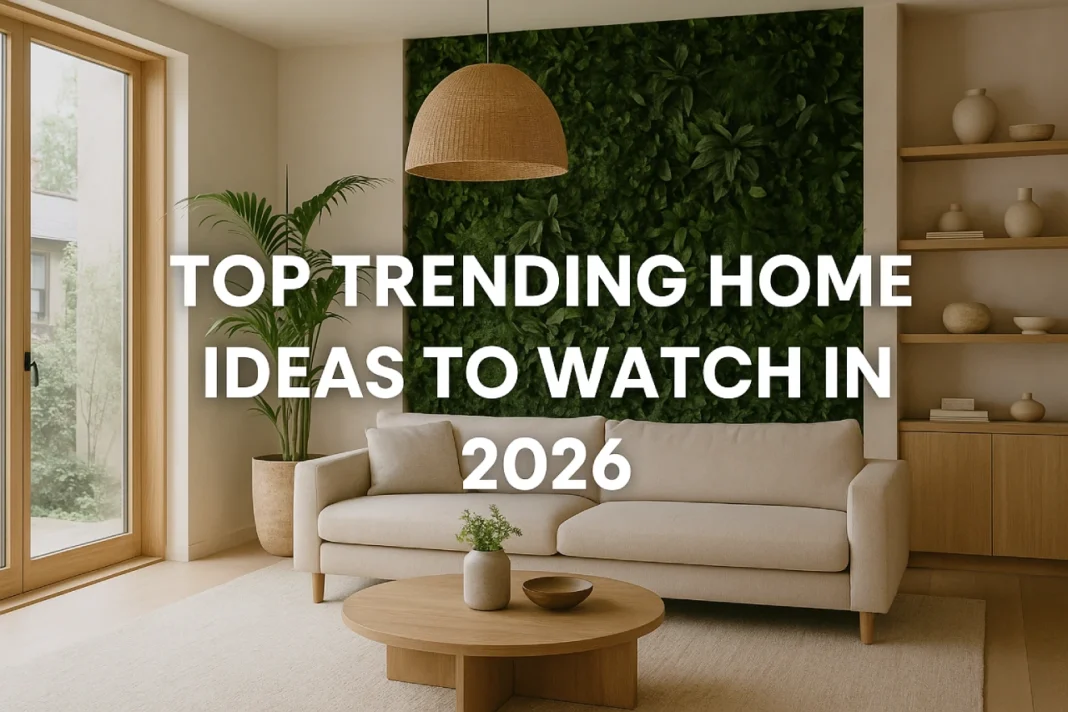
In 2026, home interiors are leaning toward natural textures like wood, cane, jute, clay, and linen. These materials add warmth to a room without looking too loud. Many homeowners use:
- Wooden storage units instead of glossy cabinets
- Clay décor items and handmade vases
- Woven baskets for storage
- Linen curtains for natural light flow
Natural materials also age well and require less maintenance compared to synthetic décor. For small homes, choosing light wood shades can make rooms feel more spacious.
2. Smart Home Features for Everyday Use
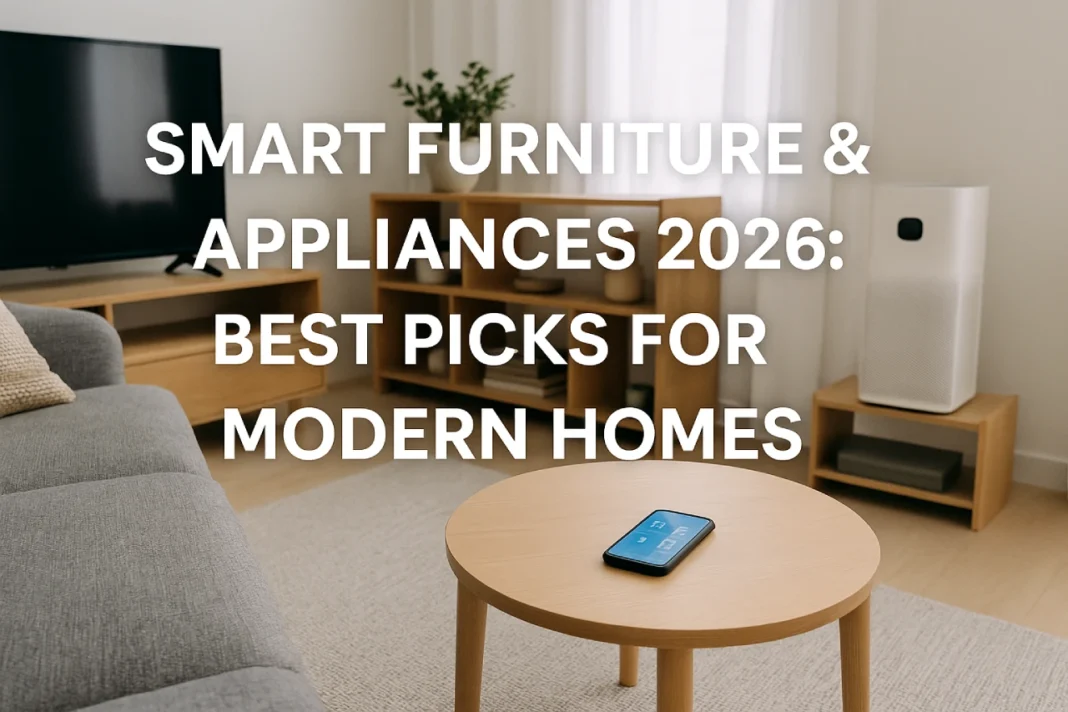
Smart automation is becoming common in regular households, not just luxury homes. Instead of installing expensive gadgets, many families start with basic tools such as:
- Smart bulbs controlled through phone apps
- Touch-free faucets in kitchens
- Smart door locks for security
- Voice assistants for routine tasks
Practical smart features help save electricity and time. For example, motion-sensor lights in washrooms and balconies can cut down electricity usage for families that forget to turn the lights off.
3. Multi-Purpose Rooms and Furniture
Homes are no longer designed for only one function. Living rooms are also becoming study zones, kids’ play areas, and sometimes even mini workout corners. Practical multi-use ideas include:
- Wall-mounted desks that fold after use
- Sofa beds for guests
- Dining tables with storage cabinets
- Pull-out beds for small rooms
Even a compact home can look bigger if furniture offers dual benefits. The goal is to make space work harder without making the home look full.
4. Calm Colors and Minimal Layouts
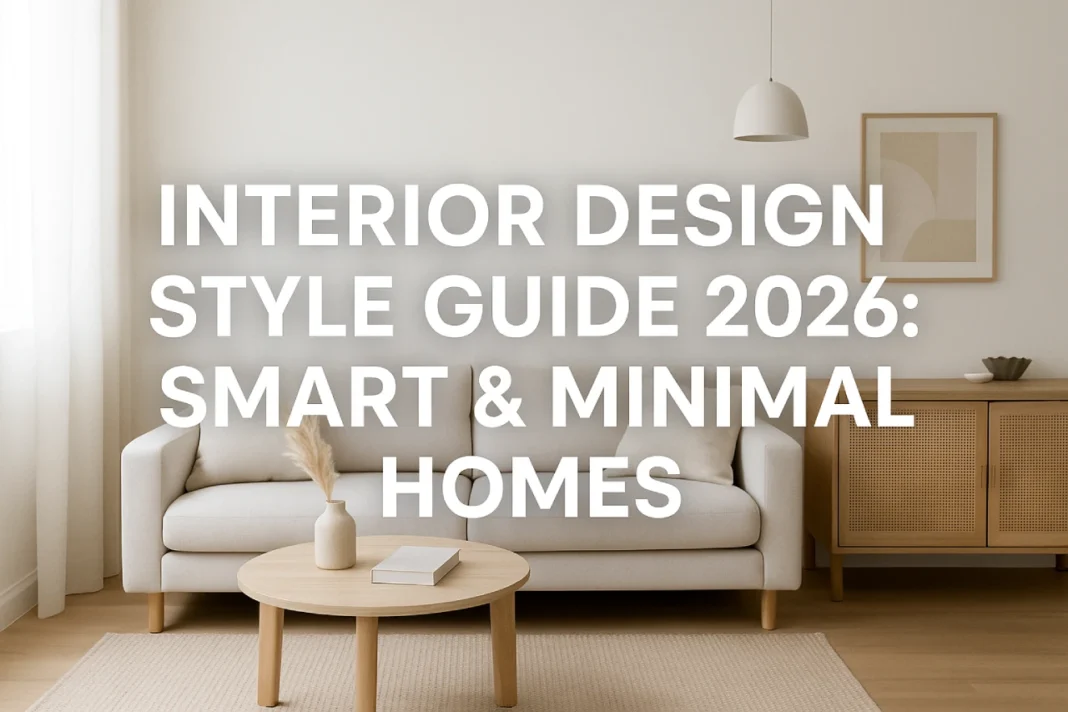
Soft shades are taking over in 2026. Neutral palettes like beige, soft gray, sage green, and off-white are trending because they make homes feel quiet and clutter-free. Instead of too many patterns, one textured wall or a simple rug can add character. Minimal design does not mean an empty room, but a balanced one with only meaningful items.
5. Energy-Efficient Living
Solar panels, LED lighting, natural ventilation, and energy-saving appliances are becoming must-have features. Homeowners want:
- Large windows for natural light
- Energy star–rated appliances
- Ceiling fans that consume less power
- Smart ACs that adjust temperature automatically
Sustainable living isn’t only about saving the planet; it helps reduce household bills in the long run.
Conclusion
The home trends of 2026 are about comfort, smart planning, and natural designs that support modern living. With the right choices, even a small home can become stylish and practical. If you found this article informative, feel free to check out our other articles as well.