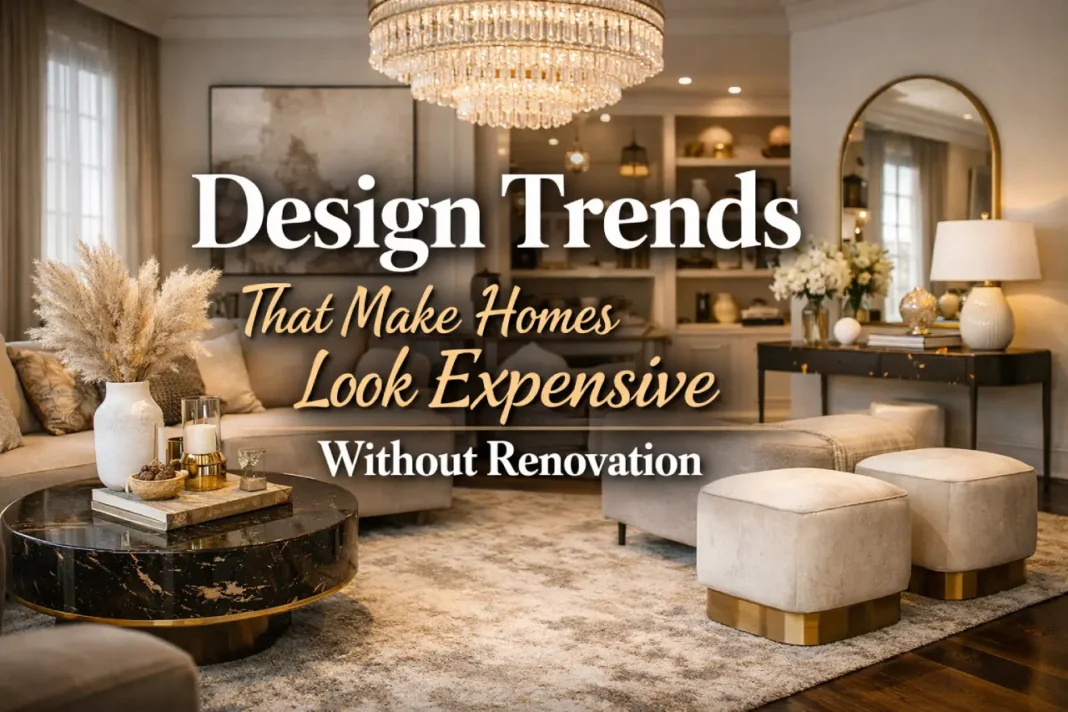
Making a home look expensive doesn’t always require tearing down walls or spending heavily on renovations. Some of the most polished interiors today rely on smart design choices, thoughtful styling, and a clear sense of balance. With the right trends, even a simple apartment can feel refined, calm, and high-end without structural changes.
What often gets overlooked is how much impact small design decisions can have. When people search for “luxury homes,” they are usually responding to how a space feels rather than how much money was spent. Elements like lighting, symmetry, texture, and restraint play a bigger role than expensive materials. These trends are practical, renter-friendly, and easy to apply gradually. If your goal is to make your home look thoughtfully designed instead of overdone, these ideas are a good place to start.
Use a Restrained, Neutral Color Palette
Homes that look expensive often follow a limited color scheme. Neutral tones create a calm backdrop and allow furniture and decor to stand out naturally. Popular choices include:
- Warm whites and off-whites
- Beige, taupe, and greige
- Soft gray and muted stone tones
Sticking to two or three main colors across a room creates visual harmony and avoids cluttered looks.
Focus on Lighting, Not Just Fixtures
Lighting can instantly change how a room feels. Instead of relying only on ceiling lights, expensive-looking homes use layered lighting such as:
- Table and floor lamps
- Wall sconces or picture lights
- Warm-toned bulbs for evening comfort
Soft lighting adds depth and makes even simple furniture look more refined.
Embrace Symmetry in Styling
Symmetry creates order and balance, which naturally feels luxurious. You can apply this trend by:
- Placing matching lamps on either side of a sofa or bed
- Centering artwork above furniture
- Using pairs of chairs or cushions
This approach makes rooms feel intentional and well thought out.
Add Texture Through Fabrics and Materials
Texture is one of the easiest ways to add richness without renovation. Instead of adding more items, mix materials such as:
- Linen or cotton curtains
- Wool or jute rugs
- Wooden, ceramic, or stone accessories
Texture adds depth and keeps neutral spaces from feeling flat.
Keep Surfaces Clean and Styled Simply
Minimal surface styling is a strong trend in high-end homes. Instead of filling shelves and tables, focus on:
- Fewer, larger decor pieces
- Clear spacing between objects
- Neutral trays or books for grouping
This gives the room breathing space and a curated look.
Upgrade Soft Furnishings Thoughtfully
Curtains, cushions, and rugs influence how expensive a space feels. Simple upgrades include:
- Floor-length curtains hung close to the ceiling
- Cushions with textured covers instead of prints
- Rugs that properly fit the seating area
Well-fitted soft furnishings instantly elevate a room.
Use Art and Mirrors Strategically
Art doesn’t need to be expensive to look impactful. Oversized artwork or mirrors often feel more luxurious than multiple small pieces. Trending choices include:
- One large statement artwork
- Minimal framed prints
- Tall mirrors leaning against walls
These elements draw the eye and make rooms feel larger and brighter.
Edit Instead of Adding More
One of the biggest design shifts is editing what you already have. Homes that look expensive often have:
- Fewer visible items
- Clear walkways and open layouts
- Storage that hides everyday clutter
Removing excess often improves a space more than buying new decor.
Final Note
A home that looks expensive is usually the result of thoughtful design, not high spending. By focusing on lighting, balance, texture, and simplicity, you can elevate your space without renovation or stress. These trends are about refinement, not excess. If you found this article informative, feel free to check out our other articles as well.