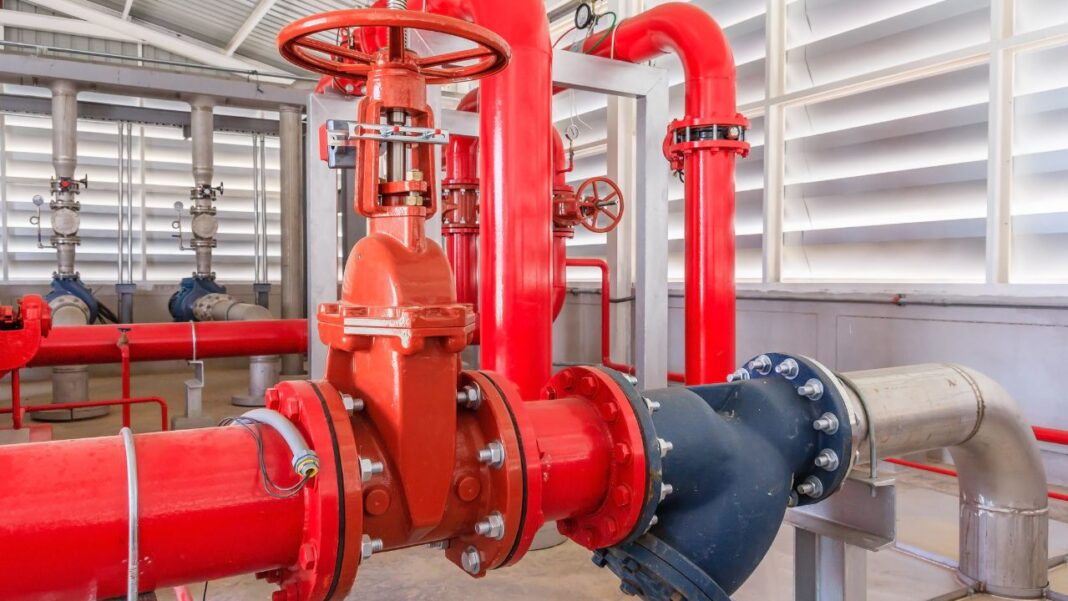
Choosing between gas and electric fire fighting pumps can shape how well a property handles an emergency. Each type serves a different purpose depending on power access, location, and maintenance needs. Gas fire fighting pumps suit remote or off-grid areas where power outages often occur, while electric pumps perform best in urban or industrial settings with a steady power supply.
A clear understanding of how each pump works helps avoid costly mistakes. Gas models offer independence from the power grid but need fuel storage and regular upkeep. Electric models start faster, operate quietly, and require less maintenance, yet depend on a consistent electricity source.
The next sections explain how these pumps compare in performance, cost, and upkeep, and how to decide which system fits a property’s fire protection plan.
Comparing Gas and Electric Fire Fighting Pumps
Gas and electric fire fighting pumps differ in how they draw power, how they perform under pressure, and how they handle power loss or backup needs. Each type suits different site conditions, from remote rural properties to urban facilities with stable electricity.
Key Differences in Power Source
Gas fire fighting pumps use petrol engines that operate independently of mains electricity. This makes them useful in rural or off-grid areas where power may fail during a fire. They require fuel storage, regular refuelling, and ventilation for exhaust gases.
Electric pumps use motors connected to a stable grid or generator. They start instantly and produce no emissions at the point of use. However, they stop if power fails and no backup source exists.
Comparison Table:
| Feature | Gas Pump | Electric Pump |
| Power Source | Petrol engine | Electric motor |
| Independence from Grid | Yes | No |
| Emissions | Yes | None |
| Start-up Time | Moderate | Instant |
Many property owners choose Jono & Johno fire fighting pumps for petrol-powered options due to their portability and ease of use in remote settings.
Performance: Flow Rate and Pressure
Gas pumps often deliver higher flow rates and pressure because they use mechanical engines capable of handling variable loads. They can move large volumes of water quickly, which suits bushfire defence or large property protection.
Electric pumps work well in smaller systems or fixed installations with reliable power. They provide consistent pressure but depend on proper wiring and motor sizing. If the electricity supply is stable, they maintain steady performance without fuel concerns.
Noise levels differ too. Gas models produce engine noise and exhaust, while electric pumps run quietly. This difference matters in residential areas or enclosed spaces.
Reliability and Backup Considerations
Gas pumps continue to operate during power outages, an advantage in emergencies. They only stop once fuel runs out, so a full tank and spare fuel supply are important. Regular maintenance, such as oil checks and spark plug inspection, helps maintain performance.
Electric pumps depend entirely on the power source. Without a generator or backup battery, they cannot run during outages. However, they need less maintenance because they have fewer moving parts.
For high-risk or remote properties, many users keep both types available. A gas pump serves as a dependable backup if the electric unit fails or grid power drops unexpectedly.
Selecting the Right Pump for Your Fire Protection System
Choosing the correct fire pump depends on the site’s power supply, building layout, and maintenance capacity. Each factor affects how well the fire protection system performs during an emergency and how much upkeep the pump requires over time.
Assessing Building and Site Requirements
The type of power available at the site often decides whether a diesel or electric fire pump suits the system. A diesel fire pump works best in areas without a stable power supply or where outages occur often. In contrast, electric pumps suit buildings with dependable grid power or a backup generator.
Building layout also matters. Multi-storey or high-occupancy structures need pumps that maintain constant pressure across all levels. Smaller or remote facilities may rely on portable diesel pumps that operate independently from mains power.
Environmental factors affect performance as well. Dust, moisture, and temperature extremes can shorten pump life. Locating the pump in a clean, ventilated space helps prevent corrosion and overheating. A quick review of local fire codes and flow rate requirements confirms that the selected pump meets safety standards.
| Factor | Diesel Pump | Electric Pump |
| Power Source | Independent (fuel) | Grid or generator |
| Best For | Remote or rural sites | Urban or industrial buildings |
| Key Advantage | Operates during blackouts | Low noise and easy maintenance |
Maintenance and Longevity
Maintenance frequency differs between pump types. Diesel fire pumps need regular fuel checks, oil changes, and battery inspections. They deliver strong performance but demand more attention to remain dependable. Electric pumps have fewer moving parts and usually require less service.
Proper care extends service life. Regular testing, as required by fire protection standards, helps detect wear before it causes failure. Clean environments and steady operating conditions also reduce mechanical stress.
Maintenance records should track inspections, test results, and component replacements. This documentation supports compliance and helps identify patterns that may signal future issues.
Integration with Fire Protection Systems
A fire pump must work smoothly with the rest of the fire protection system. It should provide the flow and pressure needed for sprinklers, hydrants, and hose reels without delay.
Many systems include a jockey pump, which maintains pressure during normal conditions. This prevents the main pump from starting unnecessarily and extends its service life.
Proper electrical connections, control panels, and automatic start features guarantee a quick response during an emergency. Diesel pumps may require additional components such as fuel tanks, ventilation, and exhaust systems to meet fire code requirements.
Testing the full system after installation confirms that sensors, valves, and alarms respond correctly. A well-integrated setup reduces the chance of pressure drops or delayed activation during a fire.
Conclusion
Gas and electric fire fighting pumps each serve specific conditions and needs. Gas pumps suit remote sites or areas with frequent power loss, while electric pumps fit best in urban or industrial settings with stable electricity.
Each type offers clear advantages. Gas models provide independence from the grid, but they need more upkeep and fuel storage. Electric models cost less to install and maintain, yet they rely on constant power.
The best choice depends on site location, power reliability, budget, and maintenance capacity. By weighing these factors, users can select a pump that meets both safety and practical needs.