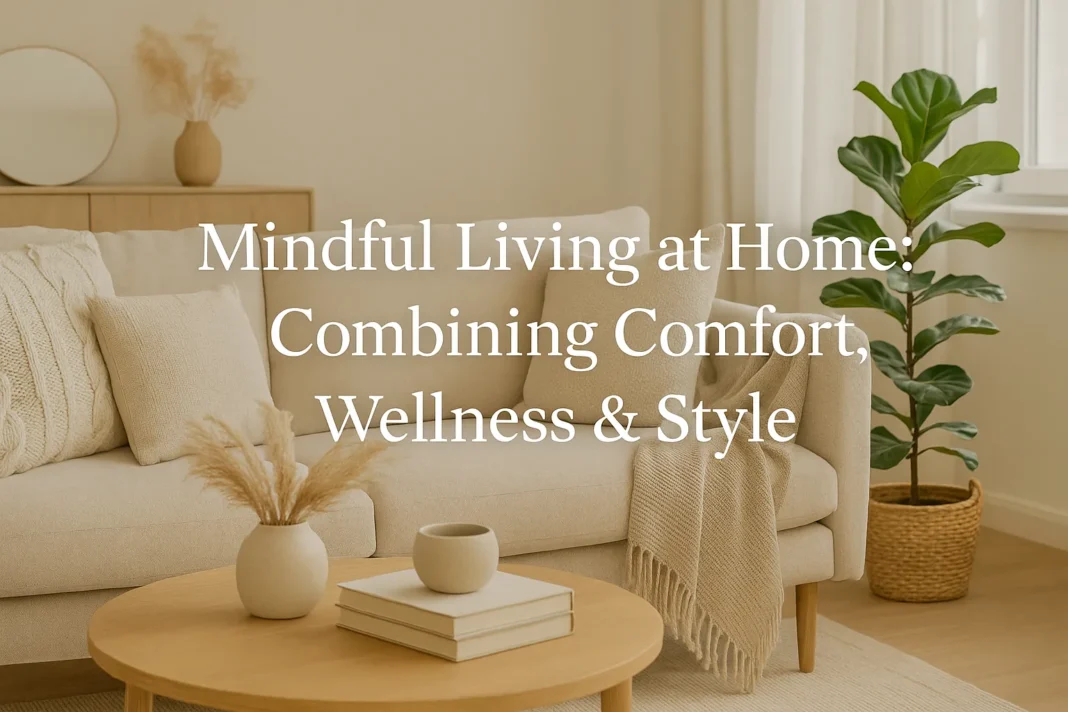
Mindful living at home is about creating a space that supports relaxation, healthy routines, and emotional balance. Instead of focusing only on decor or trendy designs, mindful interiors focus on how a home feels and how it affects daily habits. A mindful home is not packed with expensive furniture or excessive accessories; it’s built around calm colors, cozy comfort, fresh air, natural light, and meaningful personal choices.
A home should not add to that stress. It should help us slow down, connect with ourselves, and recharge mentally. Mindful design blends comfort, wellness, and style in a way that encourages good sleep, healthier eating, better work focus, and peaceful downtime. Whether you live in a studio apartment or a large house, small mindful changes can make everyday living easier and more joyful. Below are simple ways to bring mindfulness into your interiors without compromising beauty or functionality.
Start with a Calm Color Palette
Colors have a strong impact on mood. Mindful homes avoid overly bright or distracting tones and lean toward soft, soothing palettes such as:
- Warm beige and cream
- Earthy browns
- Muted greens
- Light gray and soft pastels
These shades help create restful visual comfort. You don’t need to repaint the whole home; cushions, curtains, and rugs are enough to set a calming tone.
Choose Comfort-Based Furniture
Mindful living is not about expensive or designer furniture. It’s about pieces that genuinely make life easier. Look for:
- Sofas with supportive seats
- Ergonomic chairs for work-from-home needs
- Beds with breathable mattresses
- Rounded edges to reduce visual heaviness
Avoid overcrowding spaces. Fewer pieces that bring comfort are better than multiple items that complicate movement.
Bring in Natural Light and Fresh Air
Sunlight improves mood, boosts Vitamin D, and makes rooms feel livelier. Try to:
- Keep windows clear of heavy drapes
- Use sheer curtains to soften direct light
- Allow cross-ventilation for fresh air
Indoor plants can also help improve air quality and add life to a room without making it visually loud.
Create Quiet and Tech-Free Corners
Mindful living encourages balanced screen time. Dedicating a small space for reading, meditation, or tea can be transformative. You can set it up with:
- A floor cushion or rocking chair
- A small plant or warm lamp
- A tidy shelf with books or relaxing music options
This corner doesn’t need a lot of space — even a window ledge can become a personal retreat.
Use Natural Materials for Warmth
Natural materials add a tactile comfort that synthetic pieces often lack. Consider:
- Cotton bed linens
- Wicker baskets for storage
- Clay or wooden planters
- Woolen throws in colder months
These materials ground the senses and make a home feel more real and inviting.
Organize with Intention, Not Perfection
Clutter affects mental clarity. Instead of aiming for a perfect showroom look, focus on functionality:
- Store only what you need
- Keep surfaces simple and clean
- Use hidden storage to reduce visual noise
- Donate unused items regularly
A mindful home is lived in — it’s tidy but not forced.
Final Note
Mindful living at home is about comfort that supports wellness, style that feels personal, and a space that encourages peace. You don’t need a complete makeover to achieve it — just thoughtful choices that bring balance into daily life. If you found this article informative, feel free to check out our other articles as well.