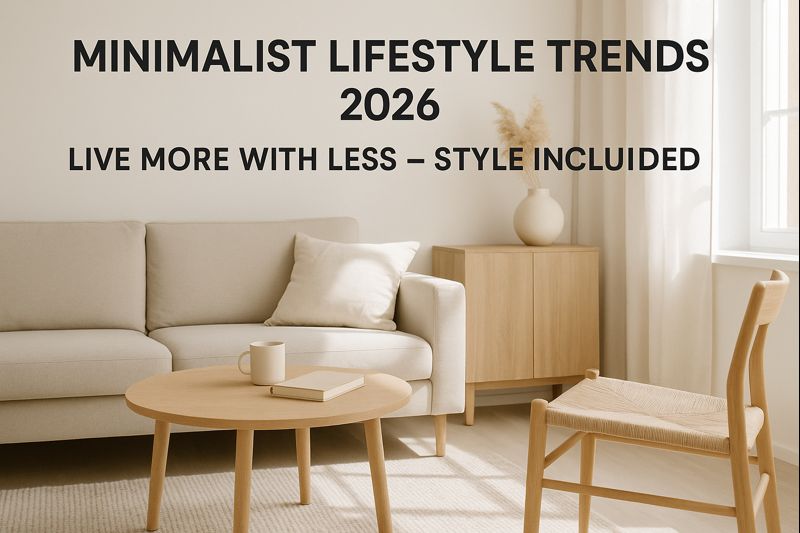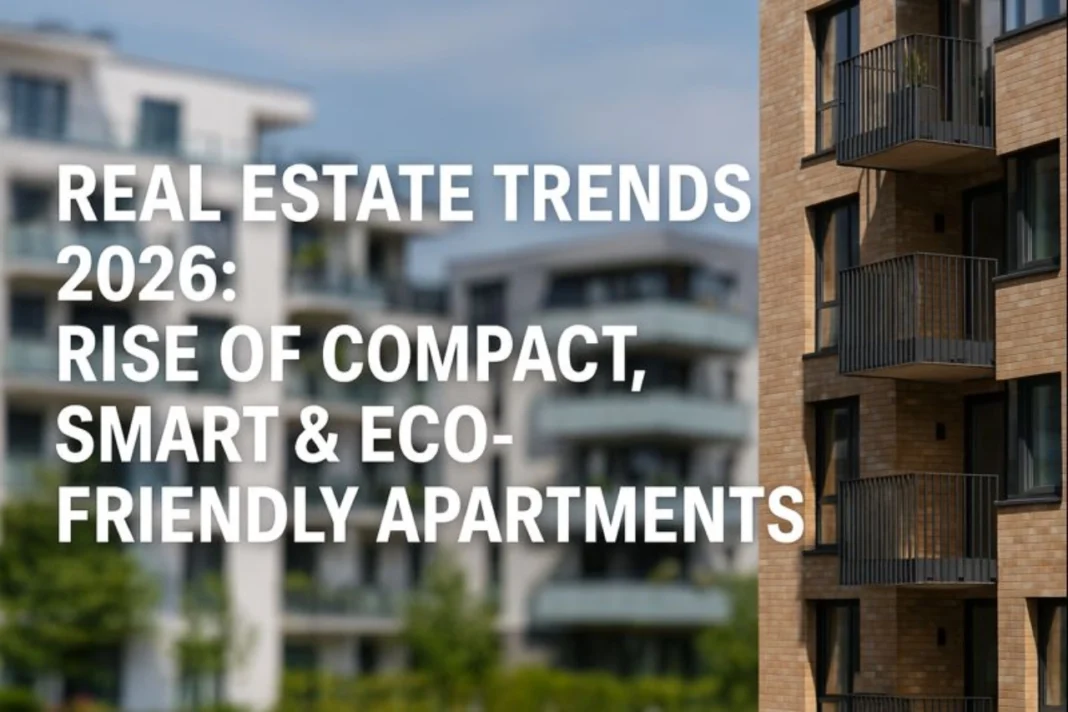
Apartment living in 2026 is shifting toward smarter layouts, sustainable construction, and compact spaces that deliver more value without increasing square footage. Modern buyers want homes that are easy to manage, affordable to maintain, and well-connected to everyday services. Compact apartments are gaining popularity because they reduce wasteful space and still offer comfort and style through smart planning, modular furniture, and built-in utilities.
What makes this trend especially interesting is how housing preferences have changed after remote work and rising living costs reshaped everyday life. People now expect homes to serve multiple roles — workspace, relaxation spot, entertainment area, and storage solution — all within a limited area. Buyers are also more conscious about energy consumption, water saving, and indoor air quality. As a result, developers are focusing on eco-friendly construction, smart home technology, and functional layouts rather than large footprints. This shift shows that the future of real estate is not just about owning bigger homes, but owning spaces that work harder for modern lifestyles. Let’s break down the major features shaping apartments in 2026.
Smaller Homes, Smarter Layouts
Compact apartments are becoming popular because they offer:
- Efficient kitchen and dining setups
- Sliding doors and built-in storage
- Foldable desks and modular furniture
- Multi-use living rooms that transform easily
Good design now matters more than size. Even a 1-bedroom apartment can feel spacious if planned well.
Smart Home Technology Becomes Standard
Digital amenities are no longer luxury add-ons; they are becoming expected features for buyers. New apartments include:
- App-controlled lights, fans, and door locks
- Energy-usage monitoring through smart meters
- Motion-based security systems
- Automated temperature control
These features improve safety, reduce bills, and make daily life more convenient, especially for remote workers or frequent travelers.
Eco-Friendly Building Materials and Low-Waste Construction
Sustainability plays a central role in real estate development. Builders are focusing on:
- Recycled or locally sourced materials
- Natural ventilation strategies
- Rainwater harvesting systems
- Solar panel installations in residential complexes
These features not only reduce environmental impact but also lower maintenance and utility costs for residents.
Green Amenities and Community Spaces
Outdoor and indoor community spaces are evolving into eco-friendly zones where residents can relax without traveling far. Popular additions in 2026 include:
- Terrace gardens and hydroponic farms
- Jogging tracks made from recycled rubber
- Shared work pods within the building
- Community composting units
Homes are becoming extensions of wellness spaces where residents get access to fresh greens, cleaner air, and areas for exercise or remote work.
Energy Efficiency as a Selling Point
Buyers now evaluate apartments based on how much they will save long-term, not just the upfront cost. Common energy-efficient upgrades include:
- Low-energy LED lighting
- Smart temperature regulation
- Double-glazed windows for insulation
- Wastewater recycling units
Energy-efficient homes attract young professionals and families who want cost control along with comfort.
Design That Supports Flexible Living
Work-from-home lifestyles demand flexible interior planning. Apartments in 2026 are designed to:
- Fit compact office setups
- Provide noise-reduced bedrooms
- Use soundproof glass or partitions
- Offer convertible spaces for kids or guests
Instead of multiple rooms, smart zoning creates different functions within one open space.
Final Note
Real estate in 2026 is proving that smarter living doesn’t require bigger homes. Compact, connected, and eco-friendly apartments are becoming the preferred choice for practical and mindful homeowners. With thoughtful design and sustainable features, small spaces are delivering big advantages. If you found this article informative, feel free to check out our other articles as well.