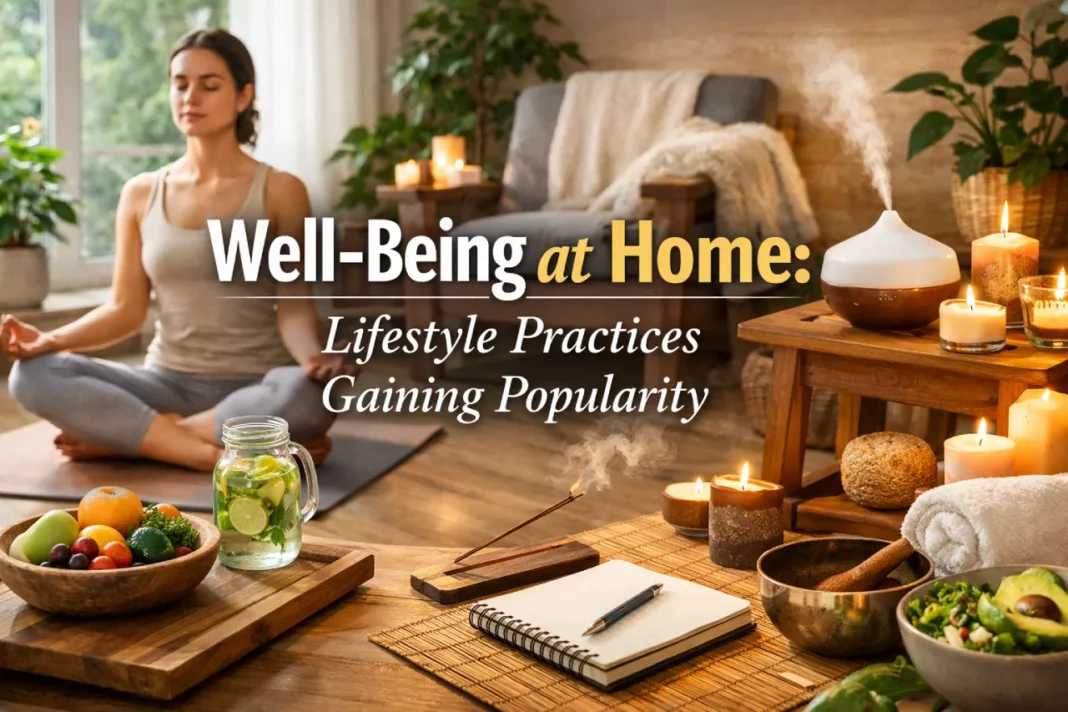
Well-being at home has become a priority for many households as people spend more time indoors and look for balance in everyday life. Home is no longer just a place to sleep and eat. It is where people work, relax, recharge, and connect with family. As a result, lifestyle practices that support mental peace, physical health, and emotional comfort are gaining steady popularity.
Well-being often sounds complicated or expensive, but most of these practices are simple and practical. You don’t need luxury products or major lifestyle changes to feel better at home. Small shifts in routine, space usage, and daily habits can make a noticeable difference over time. These trends reflect how people are choosing calmer, healthier ways to live without chasing perfection. Understanding what’s becoming popular can help you pick ideas that suit your home and routine naturally, instead of forcing habits that don’t last.
Creating Calm, Clutter-Free Living Spaces
One of the biggest well-being trends is simplifying living spaces. People are realizing that clutter adds mental stress. Popular practices include:
- Keeping only daily-use items visible
- Using closed storage to reduce visual noise
- Decluttering one small area at a time instead of the whole house
A tidy space helps the mind slow down and makes daily tasks feel easier.
Morning and Evening Home Rituals
Structured routines at home are becoming common because they bring predictability and comfort. Many households are adopting:
- Screen-free mornings for the first 20–30 minutes
- Evening wind-down routines with dim lighting
- Fixed sleep and wake times, even on weekends
These rituals improve sleep quality and reduce daily stress without needing strict schedules.
Dedicated Relaxation Corners at Home
People are carving out small areas just for rest and reflection. These don’t need much space. Popular ideas include:
- A chair near a window for reading
- A meditation mat or yoga corner
- A quiet spot with soft lighting and cushions
Having a defined relaxation area signals your brain that it’s time to slow down.
Indoor Air and Natural Light Awareness
Health-conscious homeowners are paying attention to air quality and lighting. Simple practices gaining popularity are:
- Opening windows daily for fresh air
- Using indoor plants for a natural feel
- Letting in natural light during the day
These habits support better mood, focus, and overall comfort at home.
Movement-Based Home Lifestyles
Well-being at home now includes regular movement, not just workouts. Popular lifestyle shifts include:
- Short stretching breaks during work hours
- Walking indoors or on balconies
- Light yoga or mobility routines instead of intense workouts
This approach feels less overwhelming and easier to maintain long term.
Mindful Eating at Home
Eating habits at home are also changing. People are moving away from rushed meals and focusing on:
- Eating without screens
- Setting regular meal times
- Cooking simple, nourishing meals
This practice improves digestion and helps people feel more connected to their routines.
Digital Detox Zones and Time Limits
With constant screen exposure, digital boundaries are becoming essential. Trending practices include:
- No-phone zones in bedrooms
- Screen-free dinner time
- Fixed hours for social media use
These boundaries reduce mental fatigue and improve relationships at home.
Emotional Well-Being Through Personal Expression
Homes are becoming more personal and emotionally supportive. People are:
- Displaying photos and meaningful objects
- Decorating with colors that feel calming
- Playing music that suits different moods
These small choices create emotional comfort and a sense of belonging.
Final Note
Well-being at home is not about following every trend. It’s about choosing habits that fit your lifestyle and make daily life feel lighter. Even small changes, when done consistently, can improve how you feel at home. If you found this article informative, feel free to check out our other articles as well.