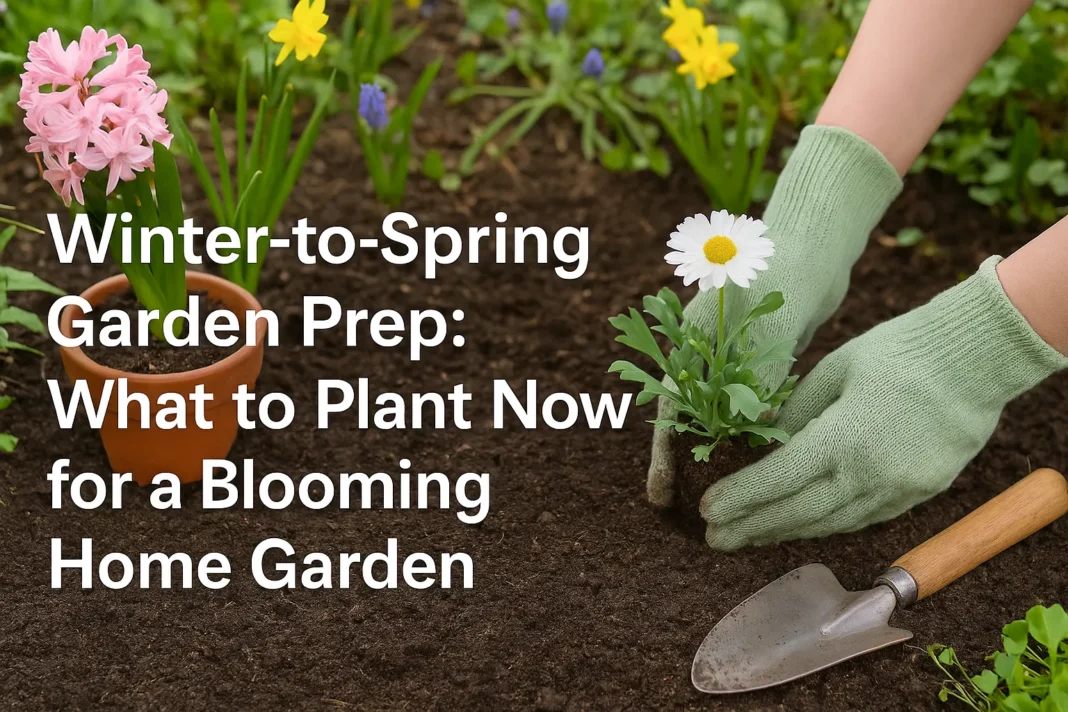
As winter slowly gives way to warmer days, home gardens start waking up again. This transition period is the perfect time to prepare soil, trim old plants, and sow seeds that will bloom beautifully throughout spring. Many flowers, herbs, and vegetables thrive when planted in the late winter or early spring because they get mild sunlight and slow-but-steady growth conditions. With a little planning, an ordinary balcony or backyard can turn into a colorful and productive garden by the time spring arrives.
New gardeners miss this window and end up planting too late in the season. The secret to a thriving spring garden is preparation, and that includes choosing the right plants for the right climate. By starting early, you give seeds and saplings enough time to root firmly before spring temperatures rise. Whether you want a fragrant flower patch, homegrown vegetables, or simple balcony greens, winter-to-spring prep can make gardening easier and more rewarding. This guide explains what to plant now, how to prepare your soil, and the best tips to ensure your garden blooms through spring.
Prepare the Soil Before Planting
Healthy plants always start with healthy soil. Before planting, clear dried leaves, remove weeds, and loosen the soil with a small shovel or hand fork. Then:
- Add compost or organic manure for nutrition
- Mix in cocopeat for better moisture retention
- Ensure good drainage to avoid root rot
Avoid chemical fertilizers at this stage—young plants grow better in naturally enriched soil.
Flowers to Plant for Spring Blooms
The winter-to-spring season is the best time to sow seeds of hardy blooming flowers. Good options include:
- Marigold
- Petunia
- Dahlia
- Sweet pea
- Calendula
- Pansy
These flowers love cool weather and develop stronger roots now, resulting in fuller blooms during spring.
Vegetables That Grow Well from Winter to Spring
Many vegetables thrive when planted before spring begins. They handle mild cold well and grow tastier with slow growth. Try planting:
- Spinach
- Radish
- Carrot
- Peas
- Lettuce
- Broccoli
If you only have a balcony, use deep containers for root vegetables and wide pots for leafy greens.
Herbs You Can Start Indoors or Outdoors
Herbs are perfect for early planting because they don’t need much space. You can grow them in kitchen windows, balconies, or small railing planters. Good options include:
- Mint
- Parsley
- Rosemary
- Thyme
- Basil (start indoors if it’s still cold)
Start herbs in smaller containers and transfer to bigger pots when they outgrow the space.
Trim, Prune, and Remove Dead Growth
Before planting anything new, clean up existing plants. Pruning helps improve air circulation and encourages new growth. Cut:
- Dry stems
- Yellowing leaves
- Branches blocking sunlight
Use clean tools to avoid infecting plants. Pruning is especially important for roses, bougainvillea, hibiscus, and jasmine.
Protect Young Plants from Sudden Weather Changes
Late winter weather can be unpredictable. Protect seedlings by:
- Keeping them under shade cloth during very cold nights
- Using mulch to maintain soil warmth
- Covering pots loosely if frost occurs
Water plants in the morning so the soil doesn’t stay cold and wet at night.
Final Note
Winter-to-spring gardening is all about preparation, smart plant selection, and gentle care for young seedlings. With the right choices, your home can transform into a blooming, productive garden just in time for spring. If you found this article informative, feel free to check out our other articles as well.